


How to Build a Wardrobe You'll Actually Wear
When you stand in front of a full wardrobe and feel like you have nothing to wear, and the instinct is usually to buy more. It rarely works. The new piece joins the others at the back of the rail, worn once or twice with good intentions, then quietly retired alongside everything else you meant to wear more.
The honest truth is that a closet full of clothes and a wardrobe you actually love wearing are not the same thing, and more shopping tends to widen the gap between them rather than close it. Building a wardrobe you'll actually reach for is less about buying more, or even buying "better" in some vague sense, and more about a handful of practical shifts in how you choose what comes home with you in the first place. Here's what actually works.
Why we end up with clothes we never wear
Before the fix, it helps to understand how the problem actually happens, because it's rarely one bad decision. It's usually a pattern.
Some purchases are aspirational rather than practical: the piece bought for the life you'd like to have rather than the one you actually live, a smart blazer for a job you don't do day to day, an elegant dress for evenings that don't come around often enough. Some are impulse decisions made under the pressure of a sale or a trend, bought quickly and regretted indefinitely. And some, quite simply, don't fit the way they did in the fitting room, or don't sit right once they're home under normal light and normal shoes.
None of this makes anyone a careless shopper. It makes them normal. But it does mean the fix isn't shopping more carefully in the same way. It's shopping differently.
Start by actually looking at what you have
The most useful thing to do before buying anything new is an honest look at what's already hanging there. Not a dramatic clear-out, just attention.
Notice which pieces you reach for without thinking, and which ones you've walked past a hundred times. Notice what those favourites have in common: a colour that suits you, a fit that's comfortable, a fabric that feels good against the skin, a shape that works with how you actually spend your days. That pattern is worth more than any style guide, because it's specific to you rather than to a general idea of good taste.
The pieces you never reach for are worth noticing too, not for guilt, but for information. Was it the fit, the fabric, the style, the colour, or simply that it never matched anything else you own? Each answer teaches you something to watch for next time.
Understand cost per wear, properly
This is a simple piece of arithmetic that changes how a lot of purchases look. Take the price of an item and divide it by the number of times you actually wear it. A $40 top worn twice before it's relegated to the back of the rail costs $20 every time you wore it. A $300 dress worn for years, at every occasion that calls for it, might work out to a few dollars a wear.
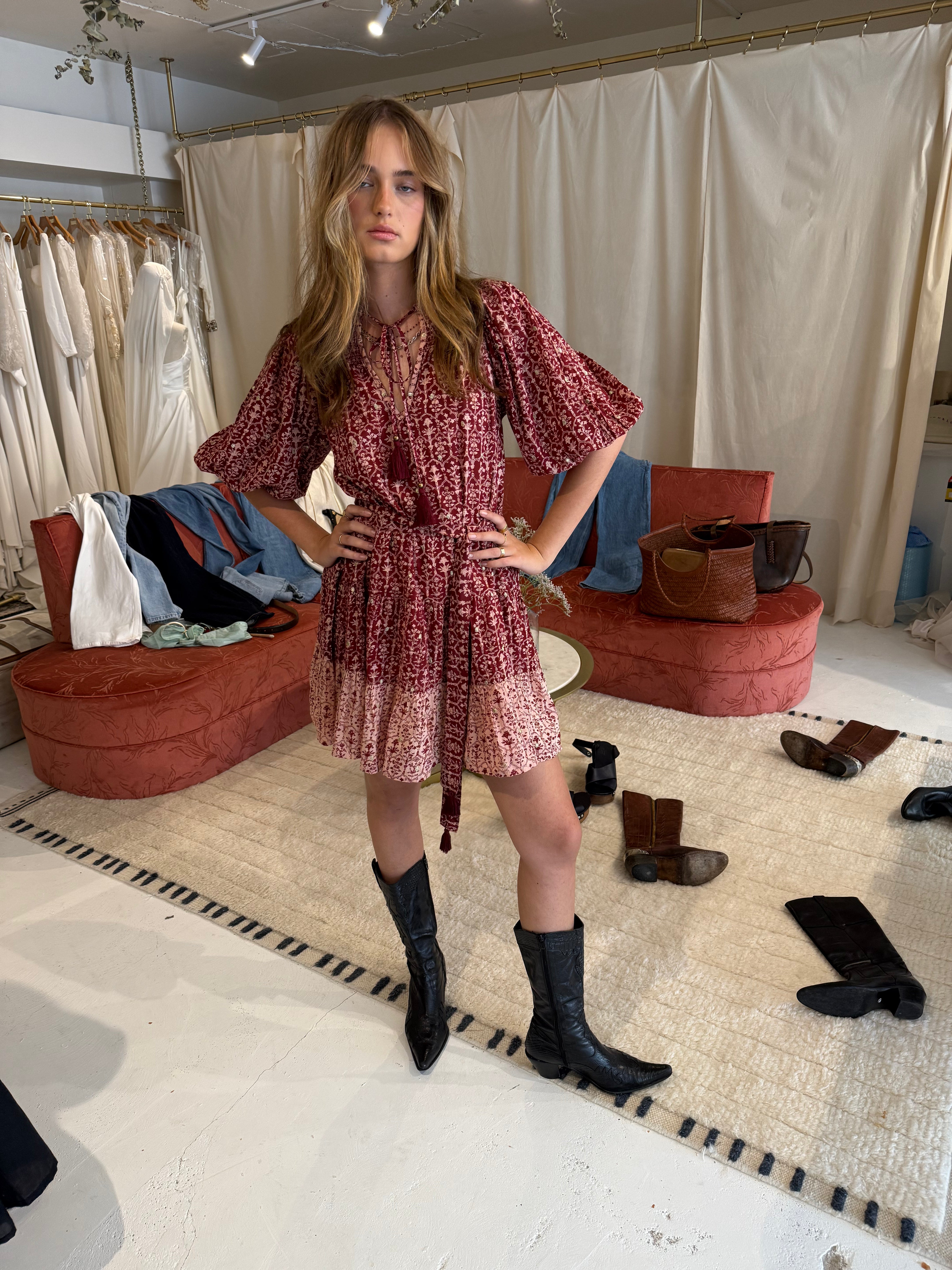
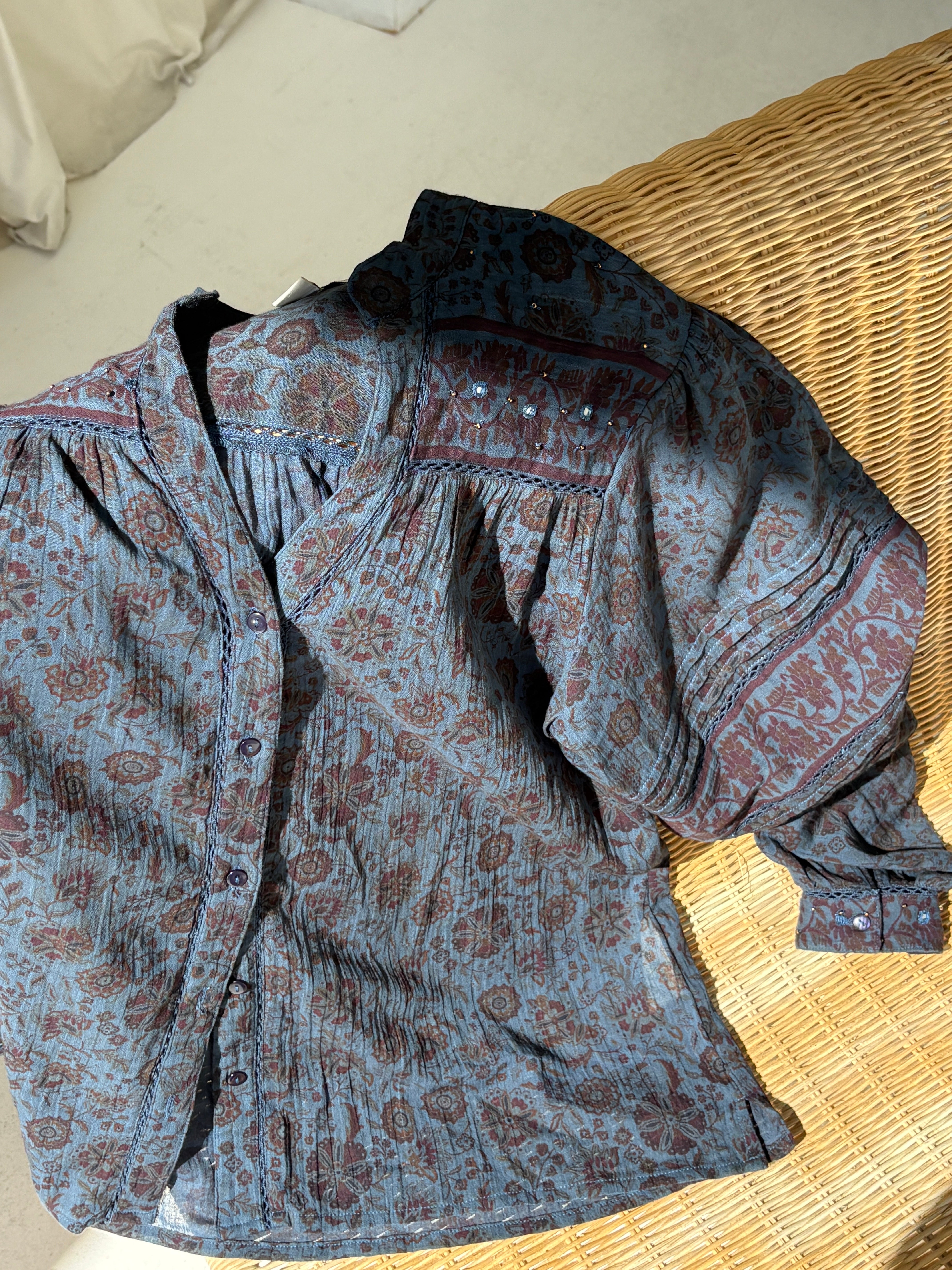
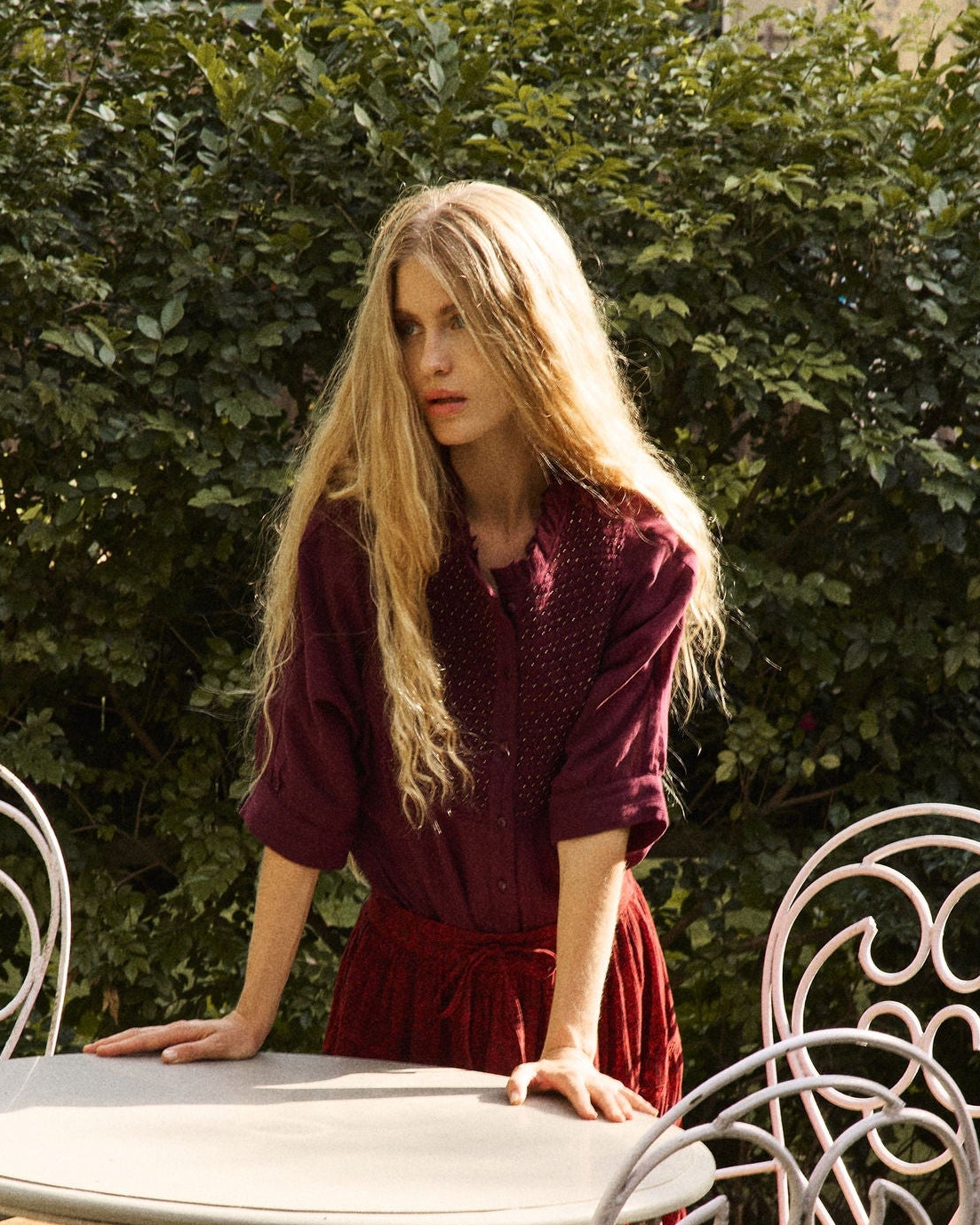
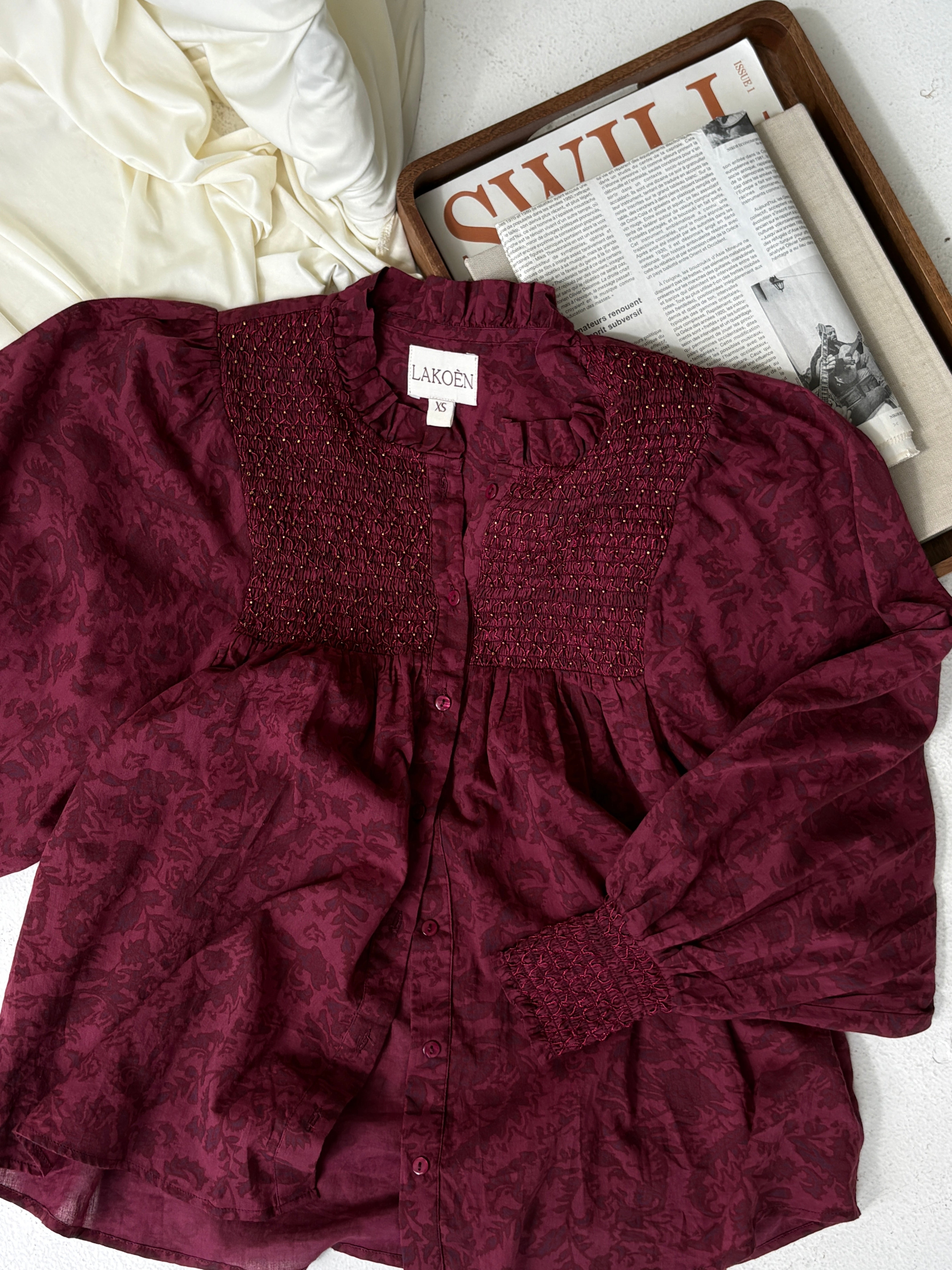
The number on the price tag is not the real cost. The real cost is what an item works out to once you've actually lived in it. This is precisely why a smaller number of well-made, natural-fibre pieces, chosen because you'll reach for them again and again, tends to work out better value than a rail of things bought cheaply and worn rarely. It's also why we build every LaKoèn piece with longevity in mind, using natural fibres and hand-finished detailing meant to be worn for years, not a season.
Buy for the life you actually live
It's worth being honest about your week. If most of your days are spent in comfortable, practical clothing, a wardrobe stacked with occasion pieces will always feel like it's missing something, no matter how many pieces you add. If your life genuinely calls for more elevated pieces, filling your wardrobe with casual basics won't solve that either.
The fix isn't complicated, just honest: buy for the version of your week that actually happens, most of the time, rather than the version you imagine on your best days. The special occasional piece is worth having too, but it should be the exception in a wardrobe built mostly around real, ordinary days.
Favour pieces that work hard, not just pieces that stand out
A trend piece can be exciting in the moment and difficult to wear more than a handful of times, simply because it's designed to be noticed rather than repeated. A well-made, considered piece in a flattering cut and a natural fabric tends to earn its place precisely because it doesn't shout, it works with what you already own, layers easily, and moves from one part of your life into another without looking out of place.
This is really the heart of what a slow, considered approach to dressing offers. It isn't about owning less for its own sake. It's about choosing pieces made to be worn often rather than photographed once, which is also why timelessness, fit and fabric quality matter more, over time, than whatever happens to be trending this season. If you'd like to understand the thinking behind that approach in more depth, we've written more about what slow fashion actually means and why it matters.
Give yourself a pause before you buy
One of the simplest habits worth building is a short pause between seeing something and buying it. A day, even an hour, is often enough. If a piece still feels right once the urgency of the sale banner or the scroll has faded, it's more likely to be a genuine addition to your wardrobe. If the appeal fades with the moment, that's useful information too.
This single habit, more than any capsule wardrobe formula or colour rule, tends to do the most to close the gap between what's hanging in the wardrobe and what actually gets worn.
Frequently Asked Questions
This usually happens because a large portion of what's in the wardrobe doesn't actually suit daily life, whether that's fit, fabric, colour, or pieces bought for an occasion or a version of life that doesn't come around often. A full wardrobe and a wearable wardrobe are different things. The fix is usually editing and choosing more carefully going forward, not adding more.
Cost per wear is the price of an item divided by how many times you wear it. A cheaper item worn only once or twice can end up costing more per wear than a higher-quality piece worn for years. Using this as a filter before buying, asking honestly how often you'll actually wear something, tends to lead to fewer, better purchases rather than more frequent, cheaper ones.
There's no single right number, since it depends entirely on your lifestyle and how often you do laundry. What matters more than the count is that most pieces work with several others, suit your actual week, and are things you reach for without hesitation. A smaller wardrobe of well-chosen pieces that mix and match easily is usually more functional than a large one full of one-off outfits.
Not automatically, price alone doesn't guarantee you'll wear something. But when the higher price reflects genuine quality, natural fibres, good construction, a fit that lasts, it tends to result in pieces that are worn for years rather than discarded after a few wears, which usually works out as better value using cost per wear.
Two habits help the most: giving yourself a short pause before buying anything, so impulse and genuine want become easier to tell apart, and knowing the specific fits, colours and fabrics that already work for you, so new purchases are chosen against real evidence rather than a passing trend or a good sale.
None of this requires an overhaul overnight. It's a handful of small, honest shifts: paying attention to what you already reach for, understanding the real cost of what you buy, and choosing pieces built to be worn often rather than photographed once.
If that's the kind of wardrobe you're working toward, we'd love for you to explore our collections of pieces made in natural fibres, by skilled hands, designed to be worn for years rather than a season. You can also read more about our story and the artisans behind each piece.