

What Is Slow Fashion and Why It Matters in 2026
We've grown used to clothing that arrives quickly, costs little, and disappears just as fast, worn a handful of times, then forgotten at the back of a wardrobe. Slow fashion asks a quieter, more considered question: what if we bought less, chose well, and kept it for years?
Slow fashion is an approach to making and buying clothing that prioritises quality, longevity, ethical production, and environmental care over speed and volume. It's the deliberate opposite of fast fashion; fewer pieces, made thoughtfully, designed to be worn and loved for a long time rather than discarded at the end of a season.
This guide explains what slow fashion really means, why it matters more than ever in 2026, and how to bring a little of it into your own wardrobe.
What does slow fashion actually mean?
The term "slow fashion" was inspired by the slow food movement, and it carries the same spirit: a pushback against mass production in favour of care, craft and connection. It isn't a single certification or rulebook, it's a philosophy that shapes every stage of how a garment comes to exist.
In practice, slow fashion means:
- Quality over quantity. Fewer, better pieces designed to last for years, not a constant churn of new styles.
- Natural, considered materials. Fabrics like organic cotton, linen and other natural fibres, chosen for how they feel, wear and age.
- Ethical, human-scale production. Made by skilled artisans and small workshops paid and treated fairly, rather than mass-produced at the lowest possible cost.
- Timeless design. Pieces that aren't tied to a fleeting trend, so they stay wearable season after season.
- Intention. A relationship with clothing built on care that encourages buying mindfully, wearing often, and keeping pieces for the long term.
It's less about following a set of rules and more about a shift in mindset: from clothing as disposable to clothing as something made with soul, worn with intention, and treasured over time. This is the philosophy at the heart of how we work at LaKoèn.
Why slow fashion matters: the real cost of fast fashion
To understand why slow fashion has become so important, it helps to look honestly at what the fast fashion model really costs us, because the low price on the tag hides a much larger bill paid elsewhere.
The environmental toll is enormous. The fashion and textile industry is responsible for around 10% of global carbon emissions, more than all international flights and maritime shipping combined. It's also one of the world's largest water polluters, responsible for roughly 20% of global industrial wastewater, much of it from textile dyeing.
The waste is staggering. Around 85% of textiles end up in landfill each year, and globally we now produce close to 100 billion garments annually, yet less than 1% of old clothing is recycled into new clothing. Fast fashion's speed is the engine of this: when new styles are designed to be replaced within weeks, clothing is treated as disposable by design.
And it's accelerating. Far from slowing down, textile emissions are projected to rise significantly by 2030 unless the industry changes course. The human cost matters too, fast fashion's lowest-cost model has long been linked to poor pay, inhumanly long hours, and unsafe conditions for the garment workers who make it.
None of this is meant to induce guilt. It's simply the context that makes the slow alternative feel less like a luxury and more like common sense.
Slow fashion vs fast fashion: the key differences
The two approaches sit at opposite ends of almost every decision a brand makes:
- Pace: Fast fashion releases dozens of micro-collections a year, designed for rapid turnover. Slow fashion releases fewer, considered pieces meant to endure.
- Materials: Fast fashion leans heavily on cheap synthetics; slow fashion favours natural, longer-lasting fibres.
- Lifespan: Fast fashion garments are often worn only a handful of times. Slow fashion pieces are made to be worn for years.
- Makers: Fast fashion relies on anonymous, low-cost mass production, and frequently uses unethical labour practices. Slow fashion is made by named artisans and small workshops, often using heritage techniques.
- Construction: Fast fashion favours the quickest industrial methods of assembly and finishing, like overlocking, and uses very little handwork. Slow fashion embraces artisanal techniques that cannot be rushed, and employs considered finishing, such as french seams. French seams are labour intensive and provide a beautiful soft feel and superior durability.
- Price vs. Value: Fast fashion is cheap upfront but costly over time, as pieces are replaced again and again. Slow fashion costs more initially but offers better value per wear, as each garment is crafted to last.
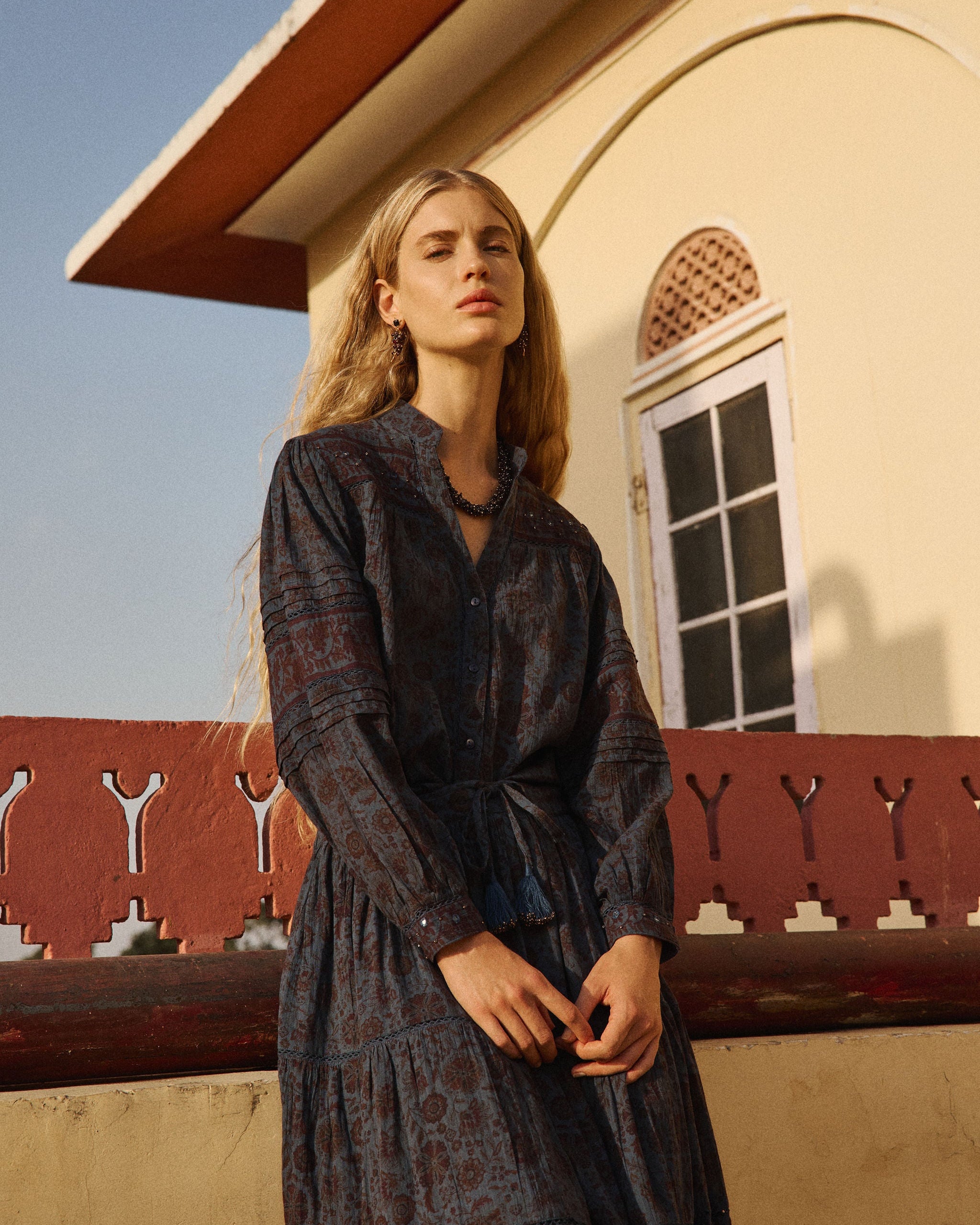
What slow fashion looks like in practice
Slow fashion isn't only the responsibility of brands, it's also a way of approaching your own wardrobe. A few of its principles, made practical:
Buy less, choose well. Before buying, ask whether a piece is something you'll genuinely wear for years. A smaller wardrobe of pieces you love beats a large one you don't.
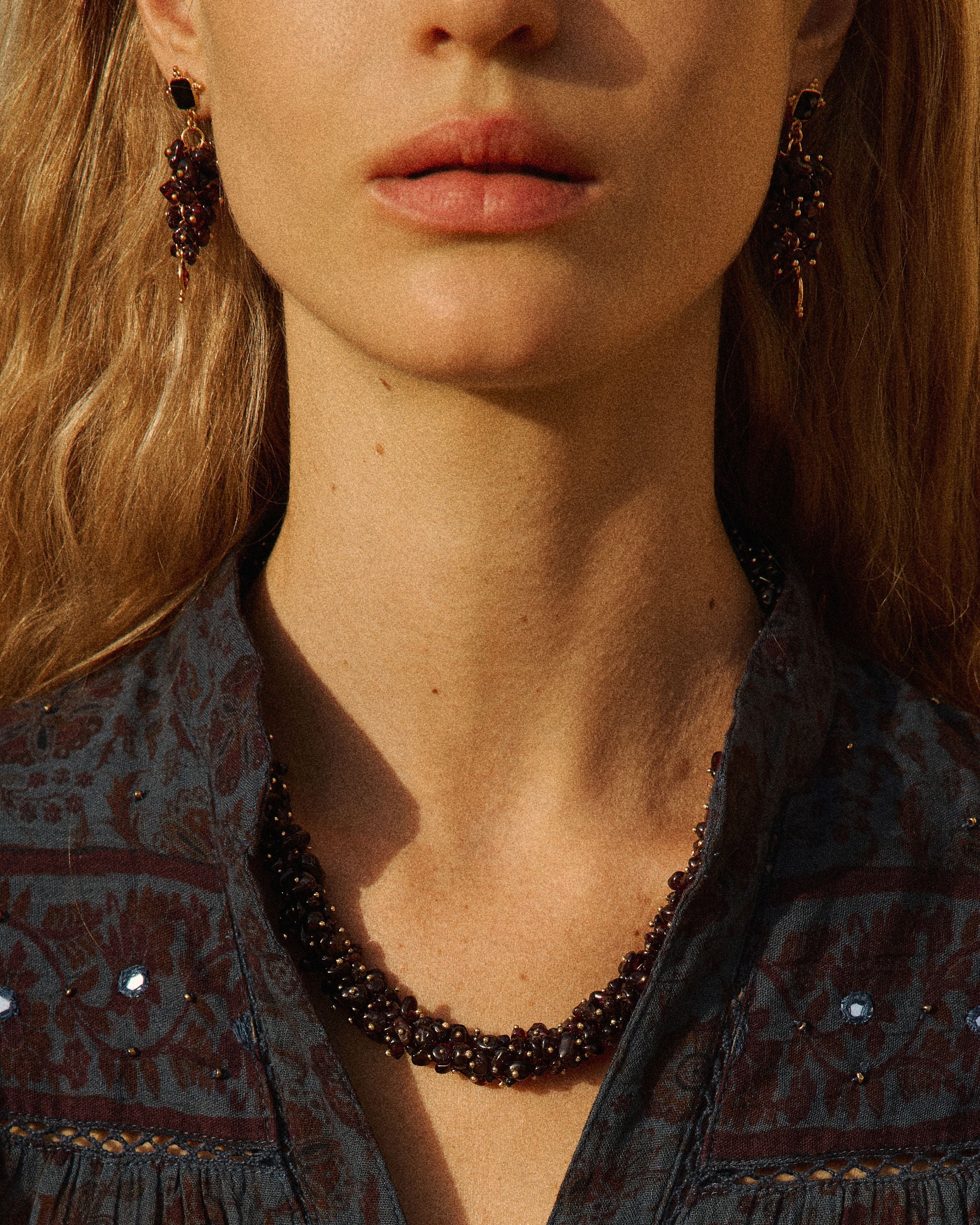
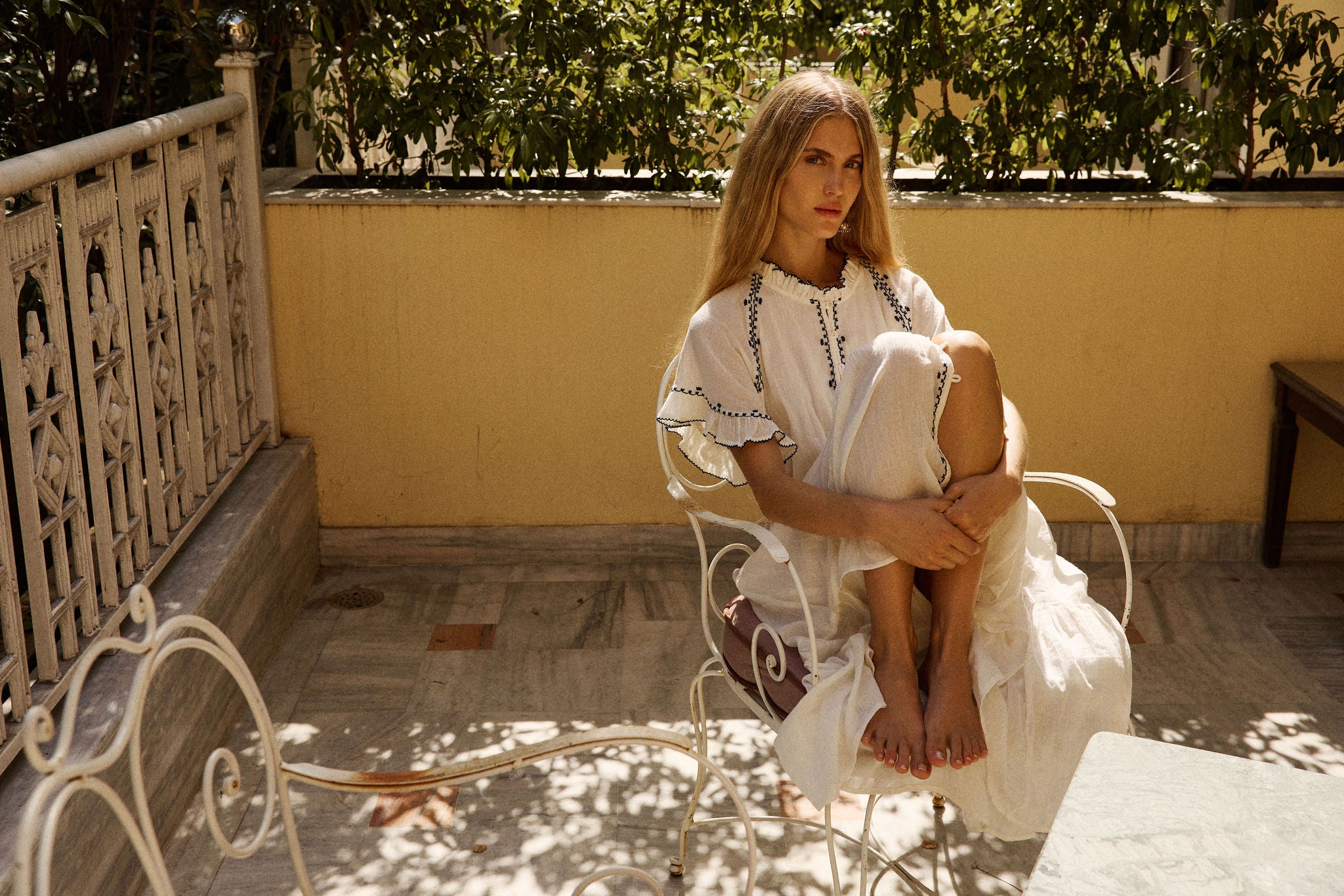
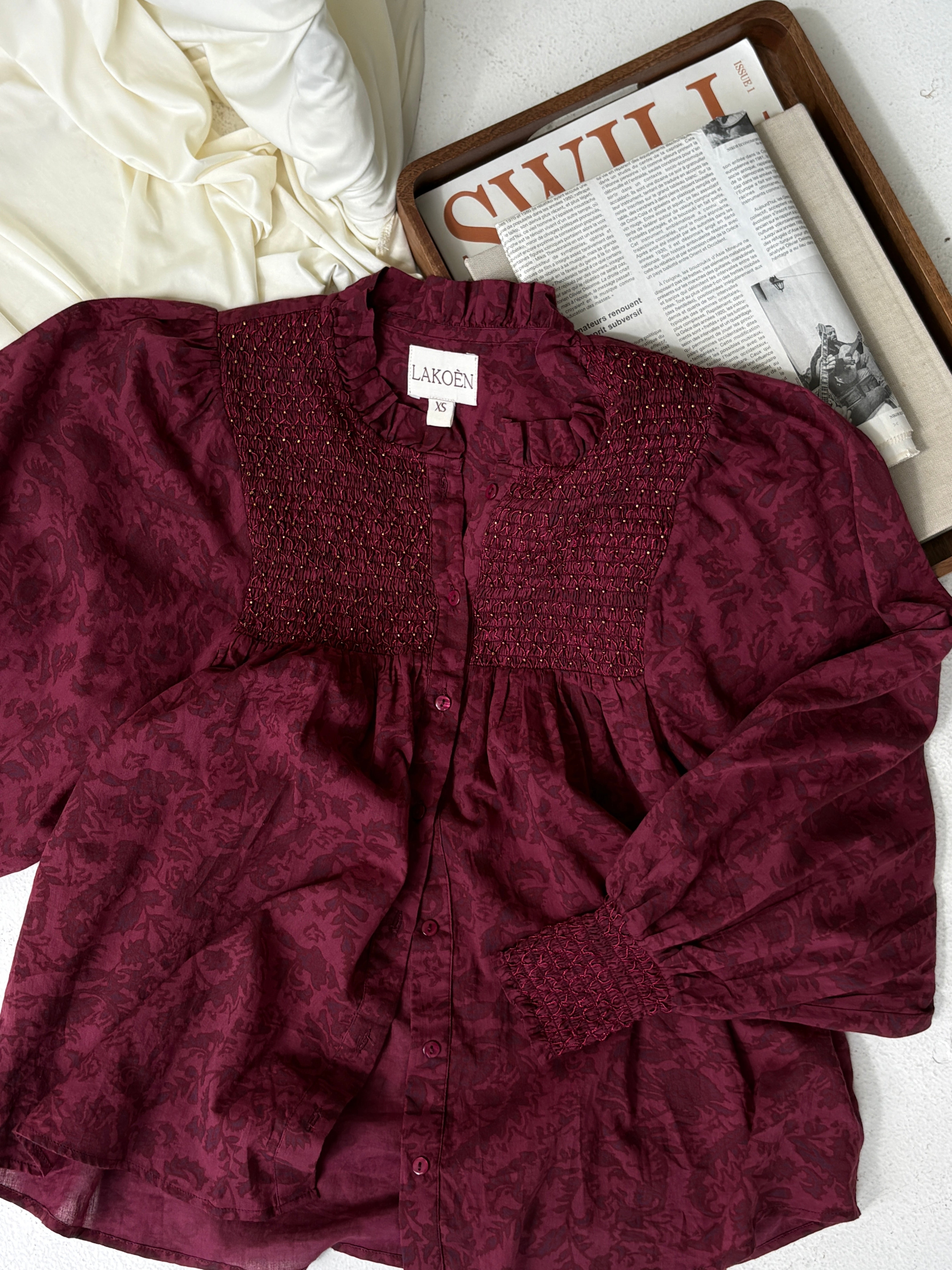
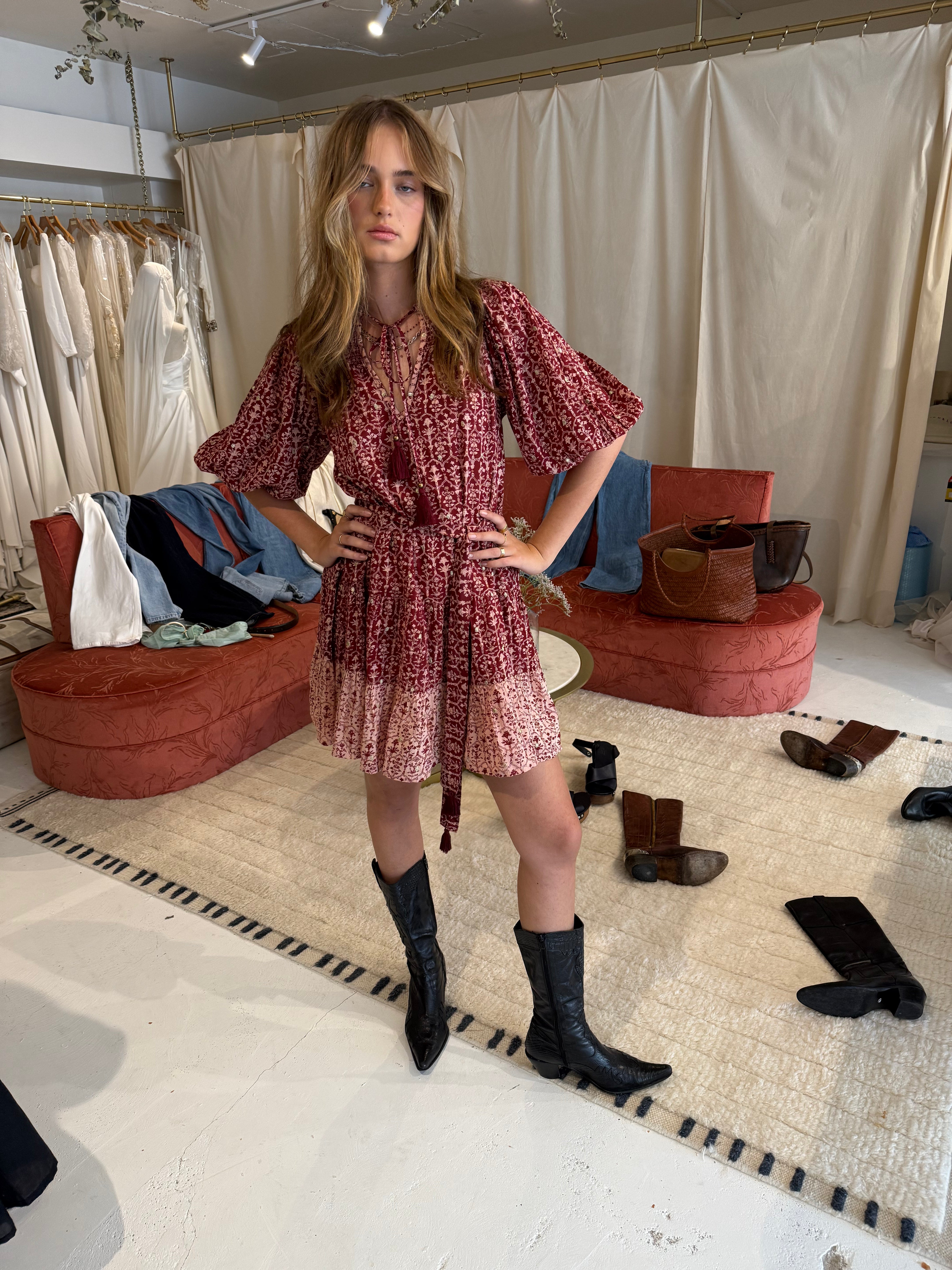
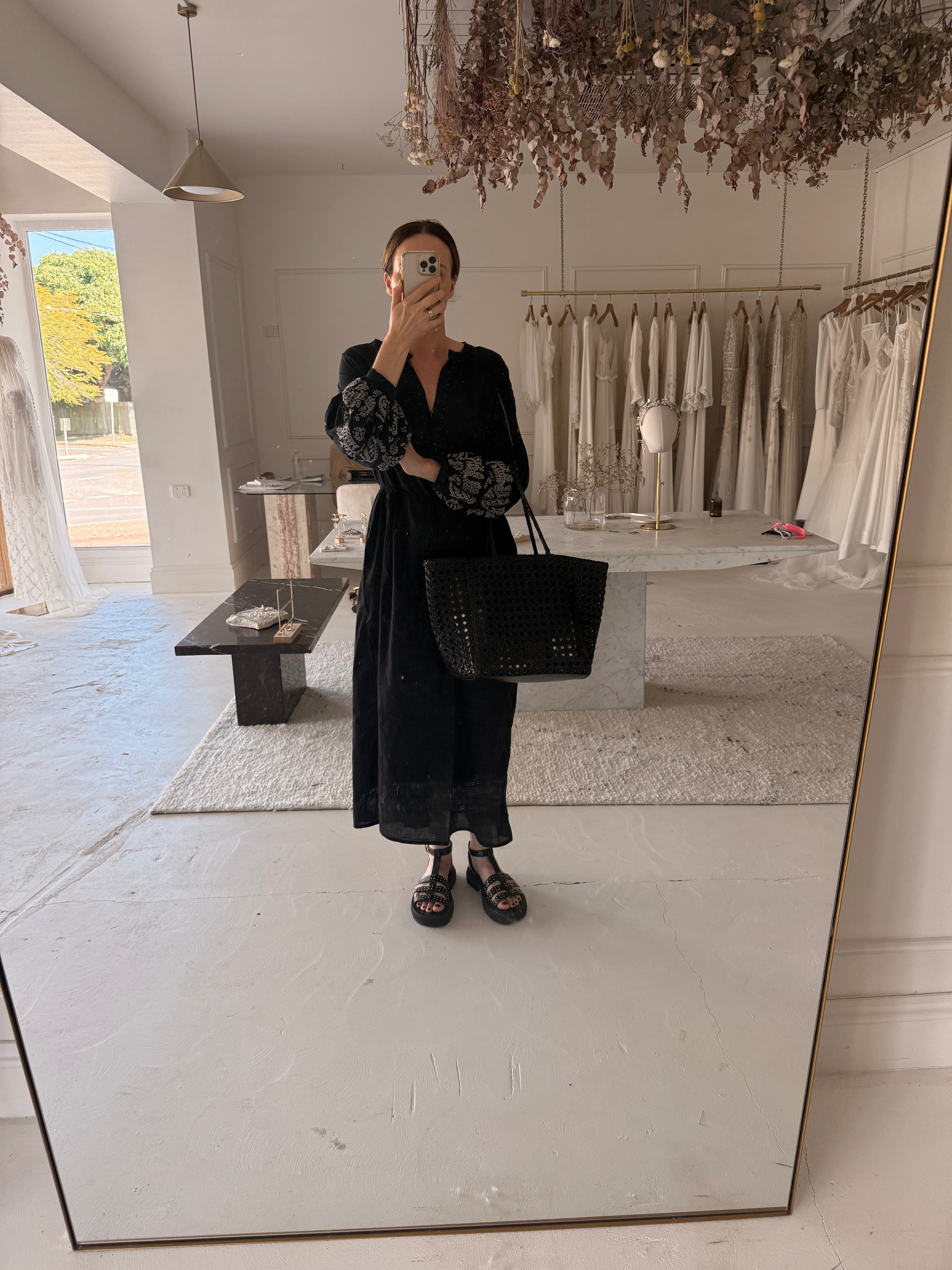
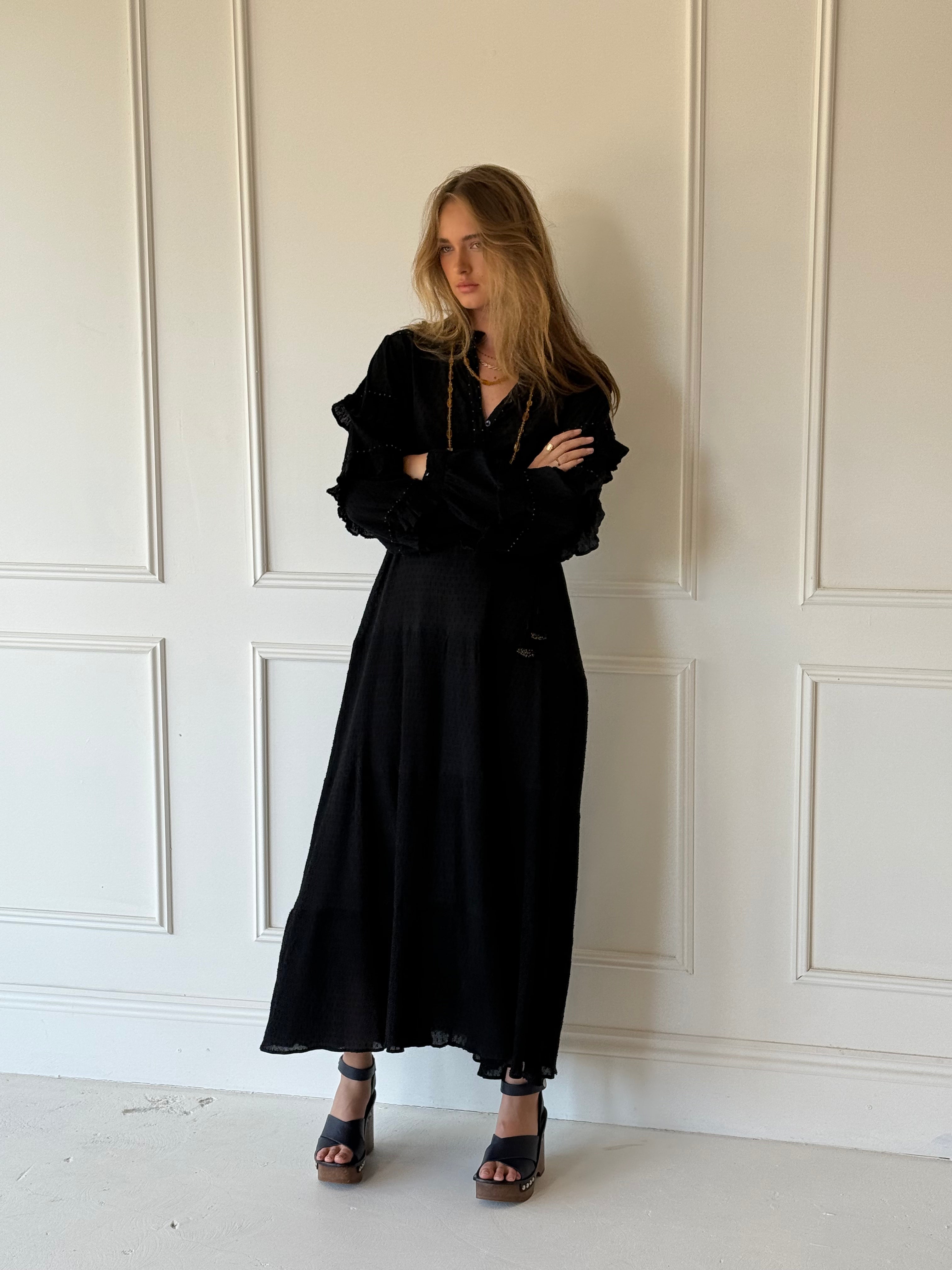
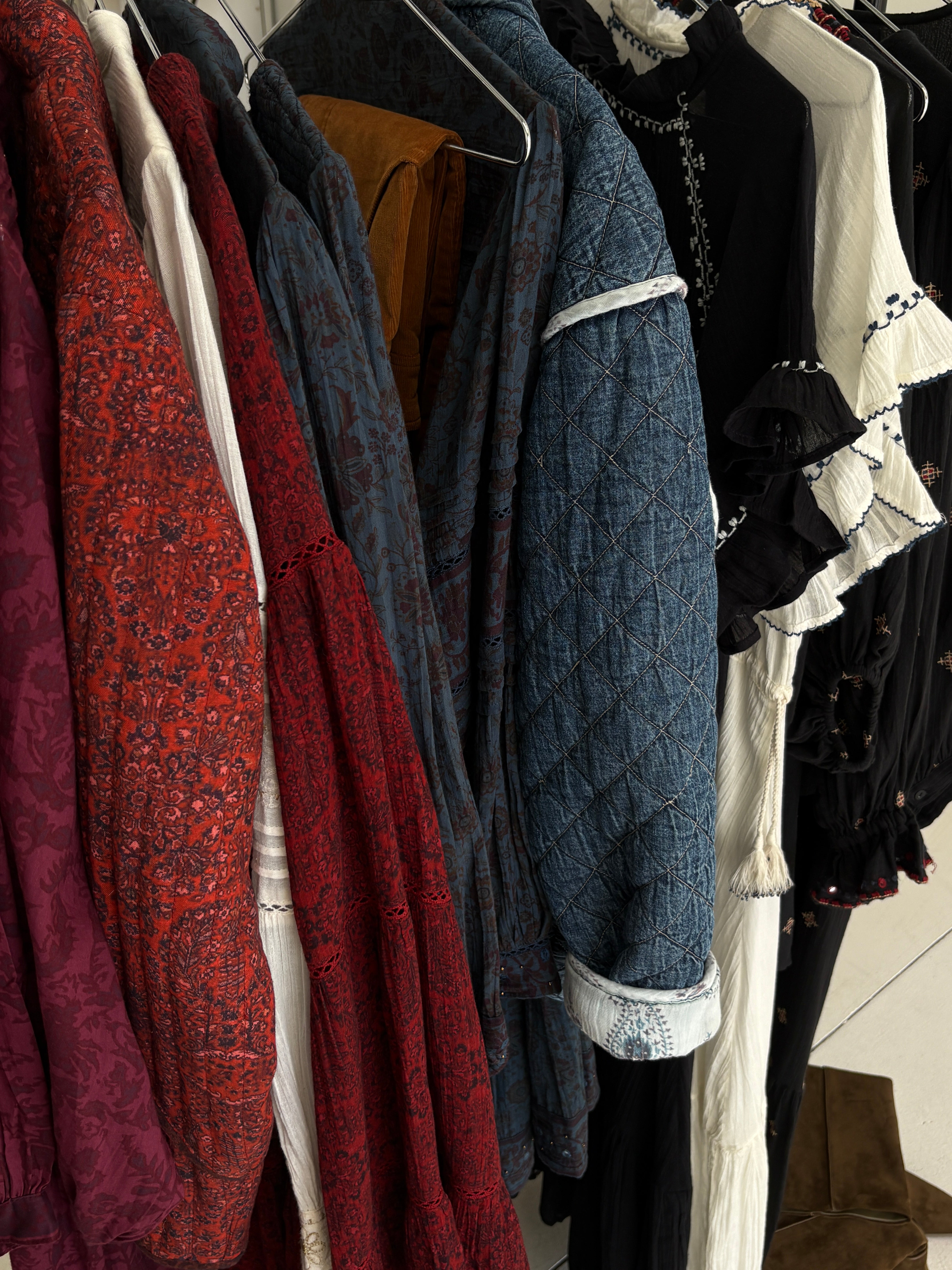
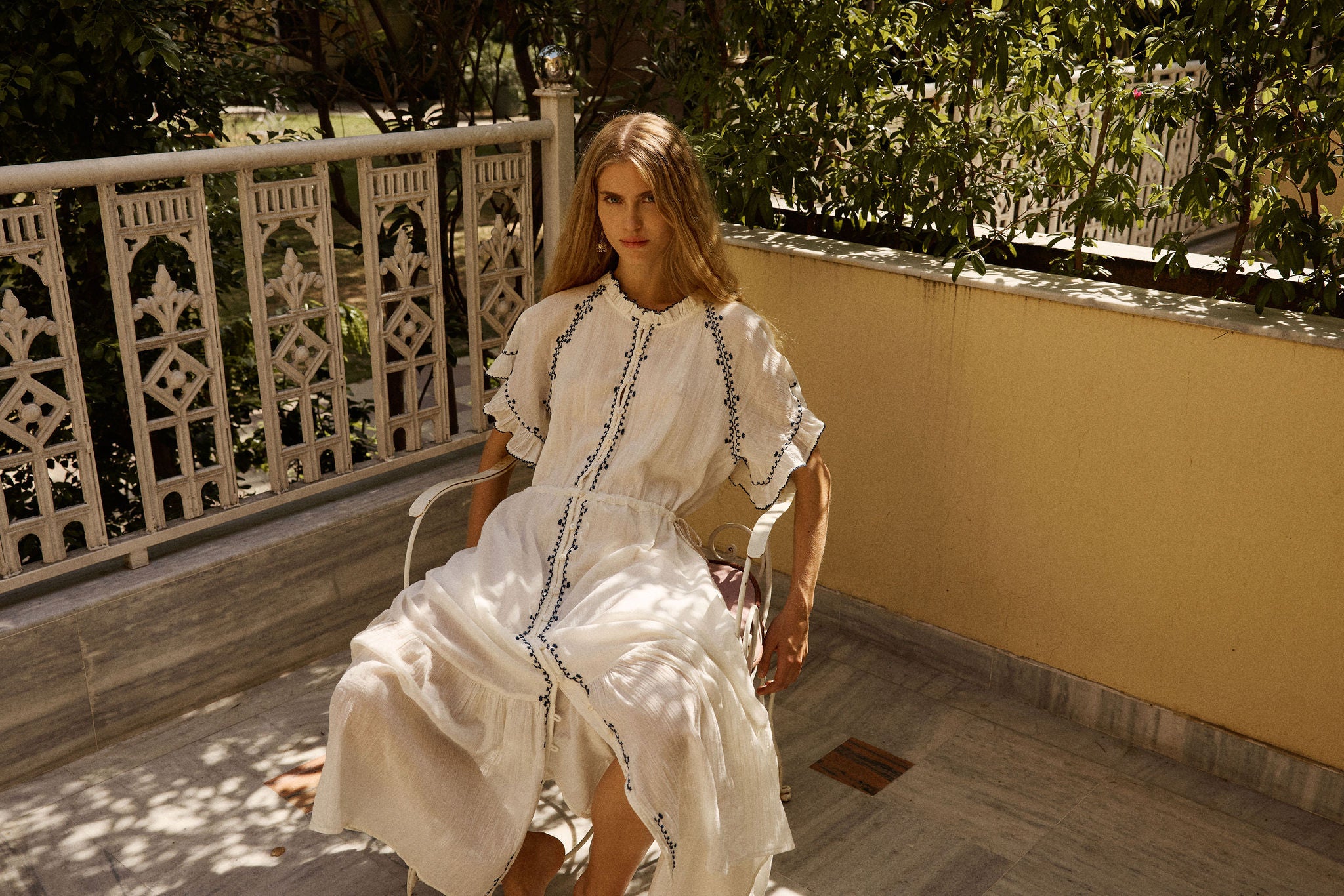
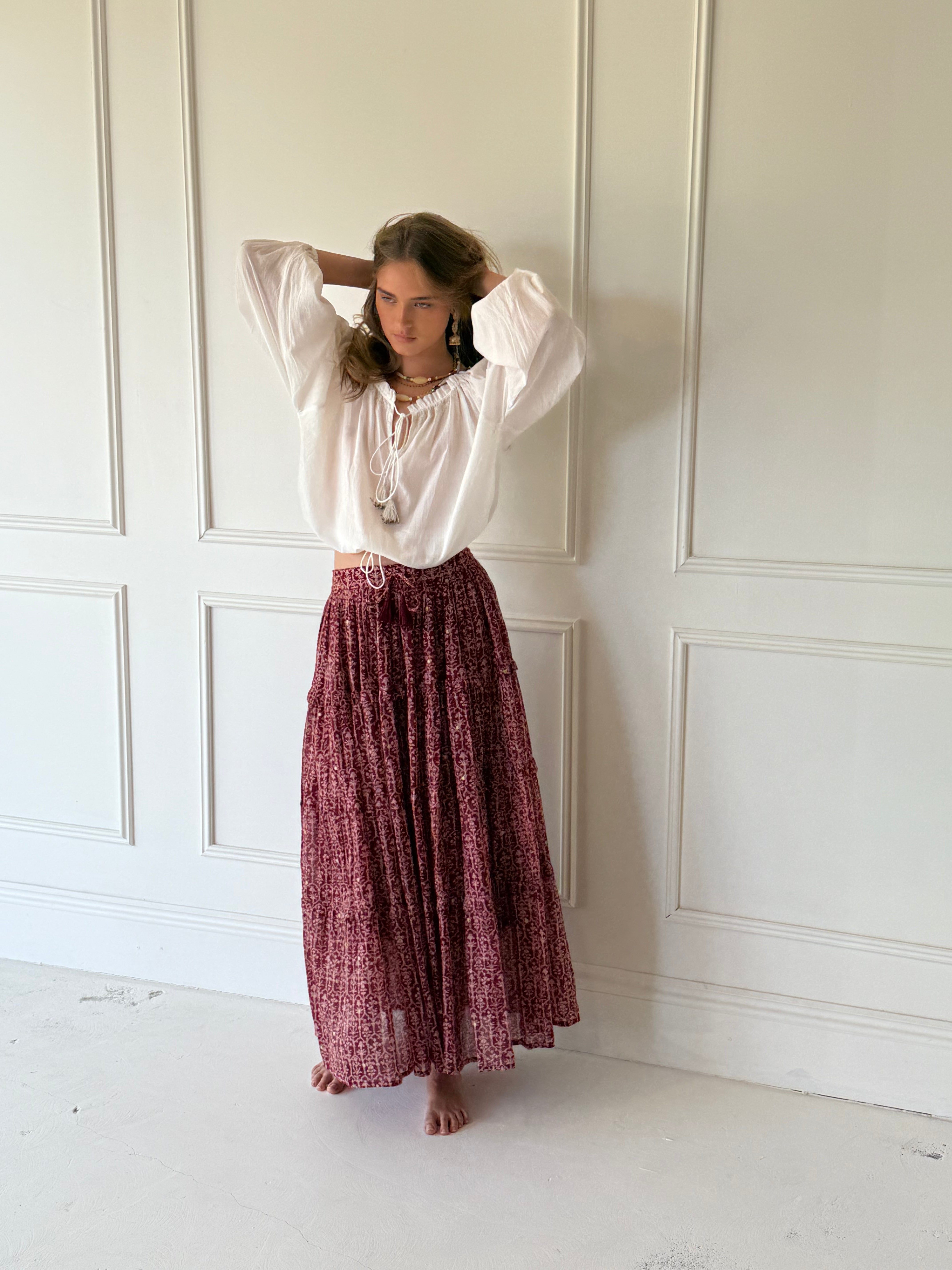
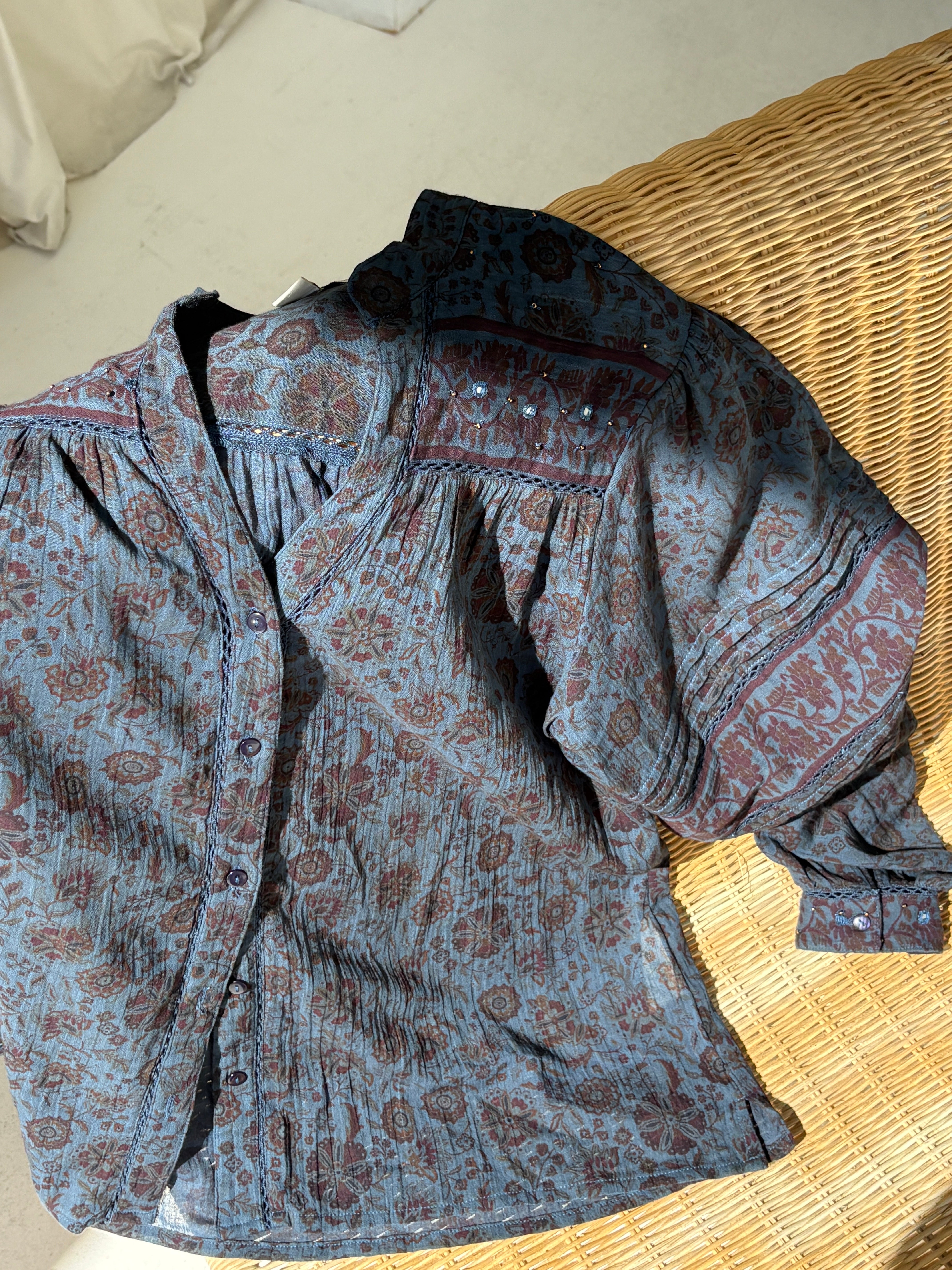
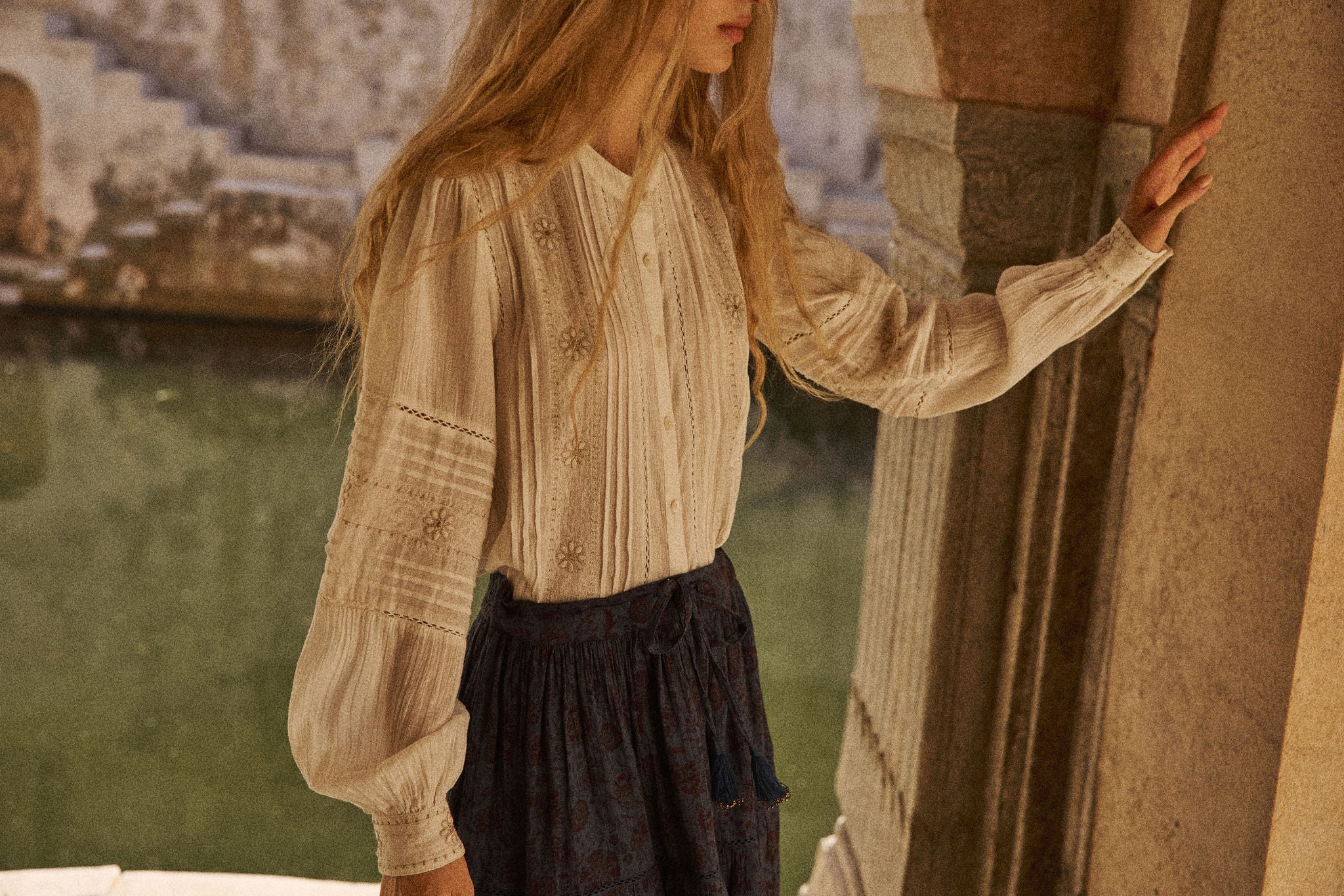
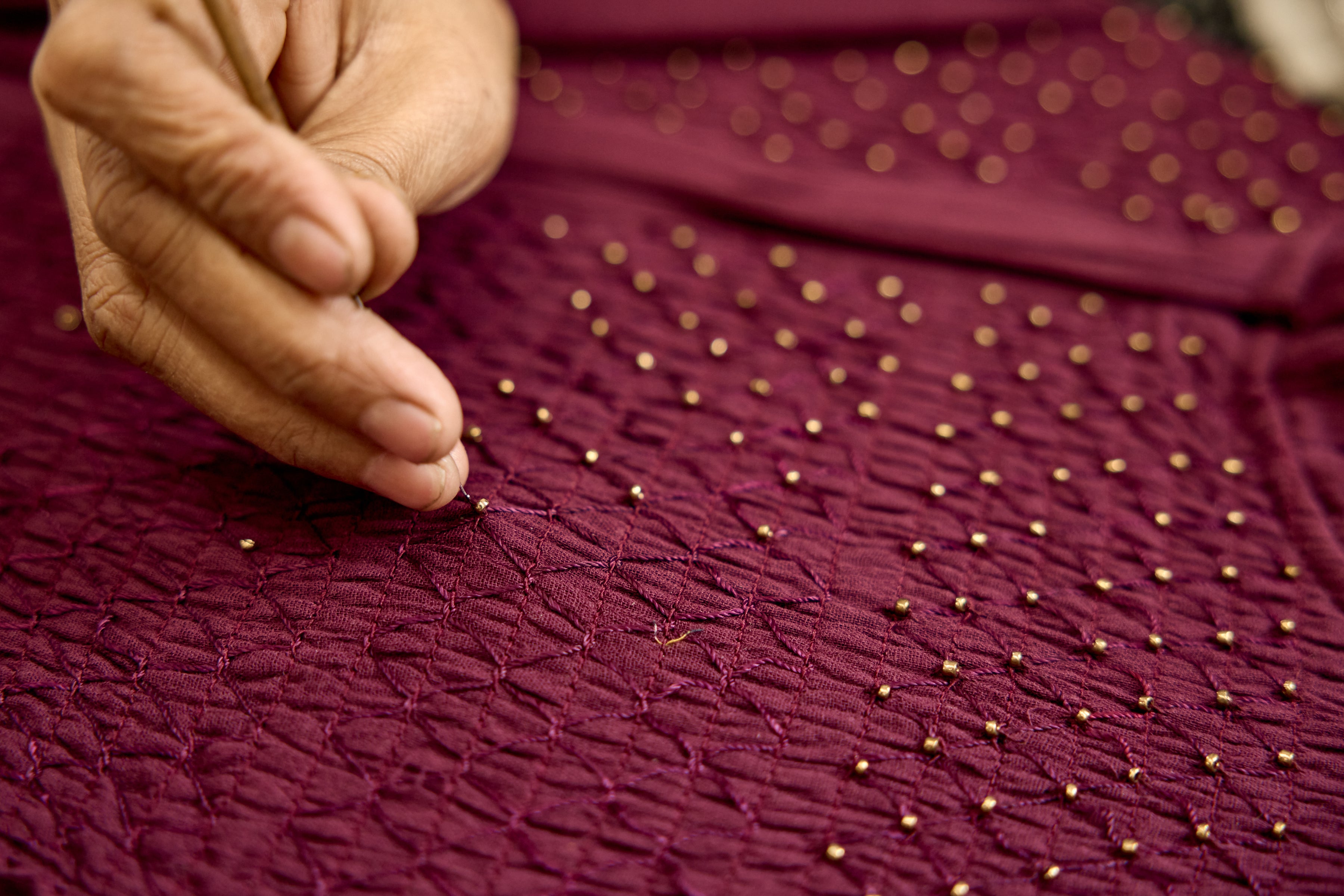
Look for natural fibres and real craftsmanship. Hand embroidery, quality fabrics, and considered finishing. These are the markers of a garment built to last. At LaKoèn, every piece is made using natural fibres and artisanal finishes: soft cottons, hand embroidery, delicate smocking — chosen for how they feel, last, and live with the body.
Know who made your clothes. Slow fashion values transparency. We collaborate with female-led teams and small workshops around the world, honouring techniques passed down through generations and the hands and hearts behind each creation.
Care for what you own. Mending, washing gently, and storing well all extend a garment's life — which is, in itself, one of the most sustainable things any of us can do.
Choose timeless designs over trends. Pieces that move easily from day to evening and aren't tied to a single season stay in rotation far longer. Even our jewellery, hand-set in recycled brass and gold vermeil, is designed as a forever treasure, not a fleeting accessory.
Is slow fashion worth it?
Slow fashion pieces usually cost more upfront, and it's fair to ask if that's justified. The honest answer is that you're paying for genuinely different things: better materials that last, fair wages for skilled makers, and design intended to endure rather than expire.
Measured by cost per wear (the price of a garment divided by how many times you actually wear it) a well-made piece worn for years works out far cheaper than a string of cheap items replaced each season. And beyond the maths, there's something quietly grounding about wearing clothing made with care, by people you can picture, in fabrics that feel beautiful against the skin. For many, that's the real value: not just owning less, but loving what you own more.
Frequently Asked Questions
Slow fashion is an approach to designing, making and buying clothing that prioritises quality, longevity, ethical production, and environmental care over speed and volume. It's the deliberate opposite of fast fashion; fewer, better pieces made from natural materials by fairly treated artisans, designed to be worn and loved for years rather than discarded after a season. It's as much a mindset of buying mindfully and keeping clothes longer as it is a way of producing them.
It matters because fast fashion carries an enormous hidden cost. The fashion industry produces around 10% of global carbon emissions, more than all flights and shipping combined, and pollutes roughly 20% of the world's industrial wastewater. It is also responsible for approximately 85% of textiles to landfill each year. Slow fashion offers an alternative that reduces waste, supports fair working conditions, and treats clothing as something lasting not rather than disposable.
Fast fashion is built on speed and low cost: many collections a year, cheap synthetic materials, anonymous mass production, and garments worn only a few times. Slow fashion is the opposite: fewer considered pieces, natural long-lasting fibres, named artisans and small workshops, and timeless designs meant to be worn for years. The core difference is disposability versus durability.
Slow fashion pieces usually cost more upfront because you're paying for better materials, fair wages, and craftsmanship. However, measured by cost per wear (the price divided by how many times you wear something) quality pieces worn for years work out cheaper than repeatedly replacing cheap garments. You're investing in fewer things that last, rather than many that don't.
Start by buying less and choosing well: invest in pieces you'll wear for years rather than impulse buys. Look for natural fibres and real craftsmanship, choose timeless designs over trends, learn who made your clothes, and care for what you own so it lasts. You don't need to overhaul your wardrobe overnight; slow fashion is a gradual, intentional shift.
Slow fashion, at its heart, is an invitation: to slow down, to choose with care, and to build a wardrobe of pieces that feel as good as they look and last far beyond a single season.
At LaKoèn, this philosophy guides everything we create: handcrafted pieces in natural fibres, made by skilled artisans, designed to be worn often, loved deeply, and treasured over time. If it resonates with you, we'd love for you to explore our collections or discover our story and the makers behind each piece.